EN
EN
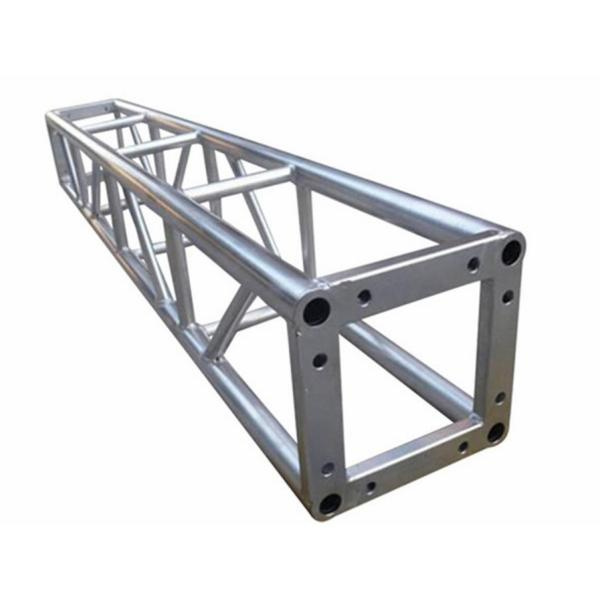
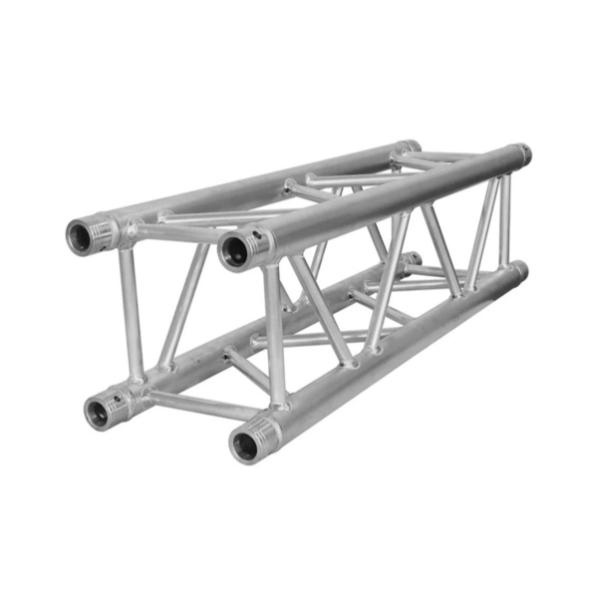
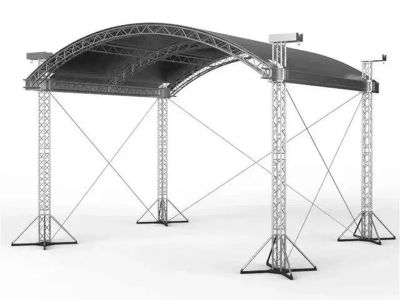
Truss aluminum alloy is a vital component in the manufacturing of stage performance equipment, providing the structural support necessary for stages, lighting, and sound systems. As a B2B buyer from SZgroup, your primary concerns may include selecting the right type of truss aluminum alloy, understanding its specifications, and ensuring quality for demanding applications. This article will guide you through these considerations, helping you make informed purchasing decisions tailored to your specific project needs.
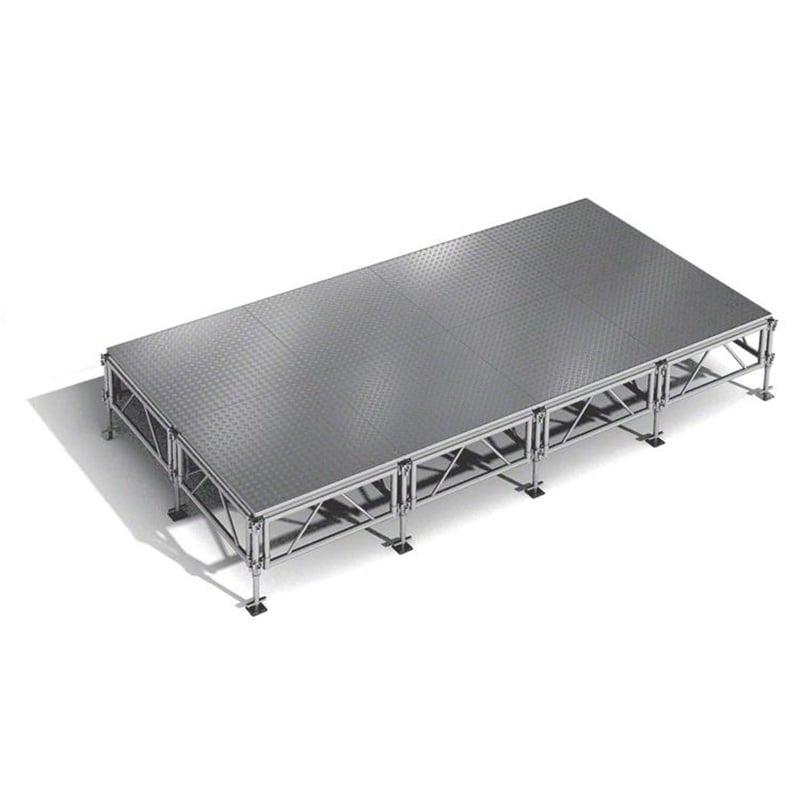
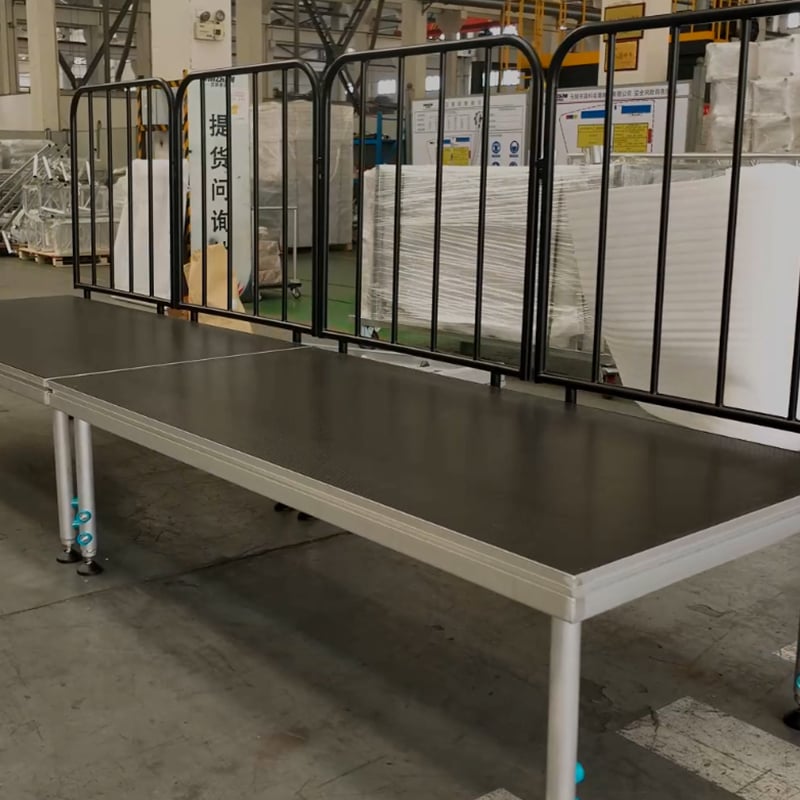


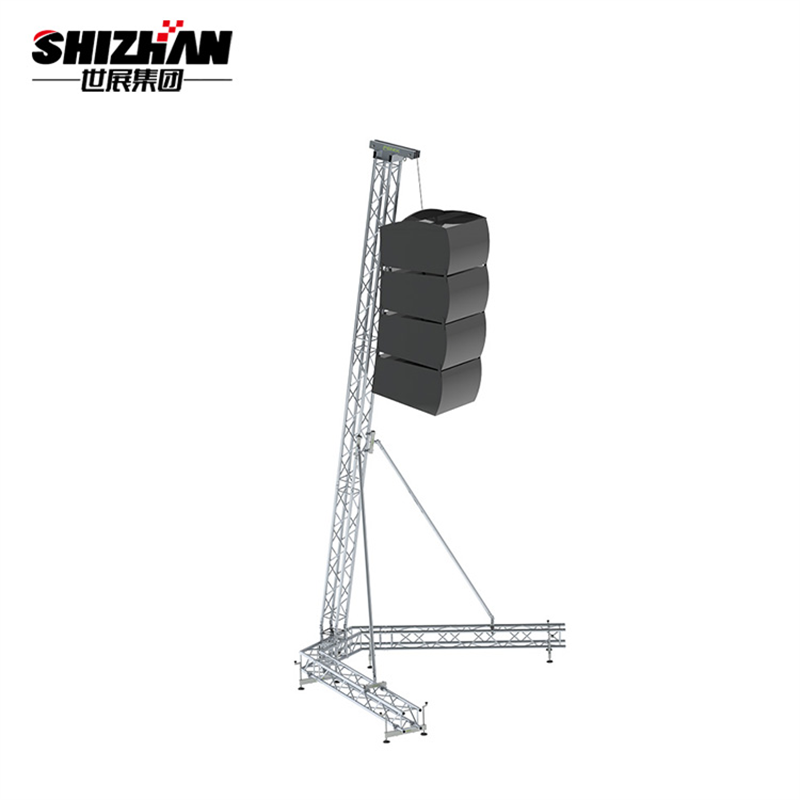
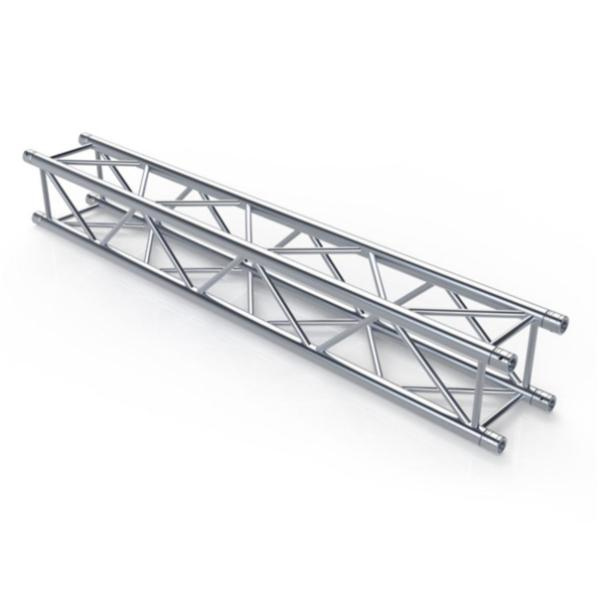
Key Specifications to Consider for Truss Aluminum Products
When evaluating truss aluminum alloy products, several specifications are critical:
Load Capacity: This refers to the maximum weight the truss can support safely. It’s crucial to match this to the weight of the equipment and decorations that will be used.
Dimensions: The width and height of the SZgroup truss affect its overall strength and weight. Wider trusses can support more weight but may require more significant installation space.
Material Thickness: Thicker scaffolding aluminum alloy can handle higher load capacity but will weigh more, impacting the overall design.
Connection Types: Understanding how different trusses connect is vital for ensuring stability. Options may include pin connections or bolted joints, each with its advantages and suitability for various applications.
Surface Treatment: Anodizing or powder coating can enhance corrosion resistance, especially for outdoor events. This is an essential consideration for maintaining the integrity of your equipment over time.